

No prompt upsampling: [klein] does not auto-enhance your prompts. What you write is what you get—so be descriptive.
Write Like a Novelist
Describe your scene as flowing prose—subject first, then setting, details, and lighting. This gives [klein] clear relationships between elements.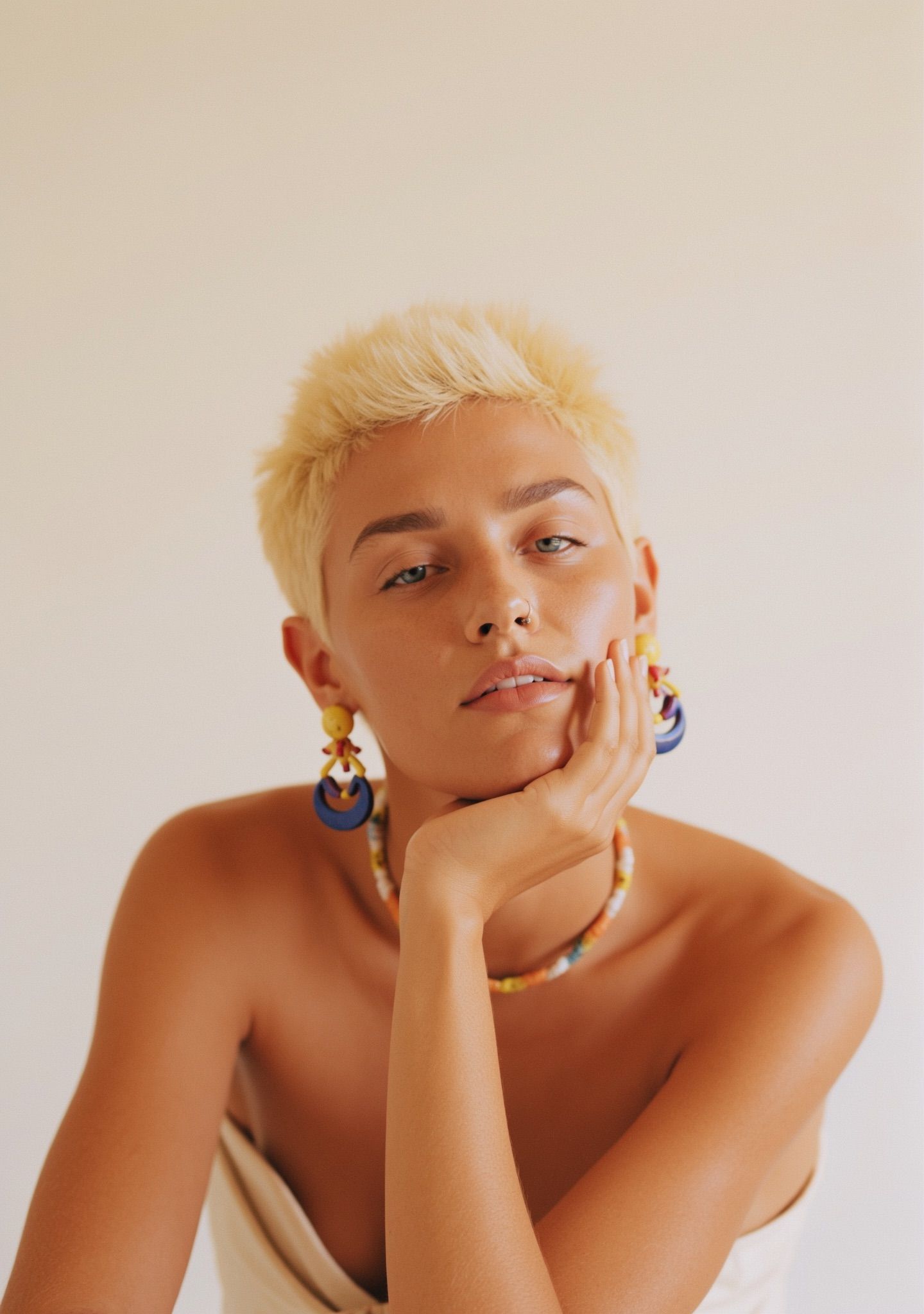
Do this
“A woman with short, blonde hair is posing against a light, neutral background. She is wearing colorful earrings and a necklace, resting her chin on her hand.”
Not this
“woman, blonde, short hair, neutral background, earrings, colorful, necklace, hand on chin, portrait, soft lighting”
Basic Prompt Structure
Use this framework for reliable results:Subject → Setting → Details → Lighting → Atmosphere
| Element | Purpose | Example |
|---|---|---|
| Subject | What the image is about | ”A weathered fisherman in his late sixties” |
| Setting | Where the scene takes place | ”stands at the bow of a small wooden boat” |
| Details | Specific visual elements | ”wearing a salt-stained wool sweater, hands gripping frayed rope” |
| Lighting | How light shapes the scene | ”golden hour sunlight filters through morning mist” |
| Atmosphere | Mood and emotional tone | ”creating a sense of quiet determination and solitude” |
Lighting: The Most Important Element
Lighting has the single greatest impact on [klein] output quality. Describe it like a photographer would.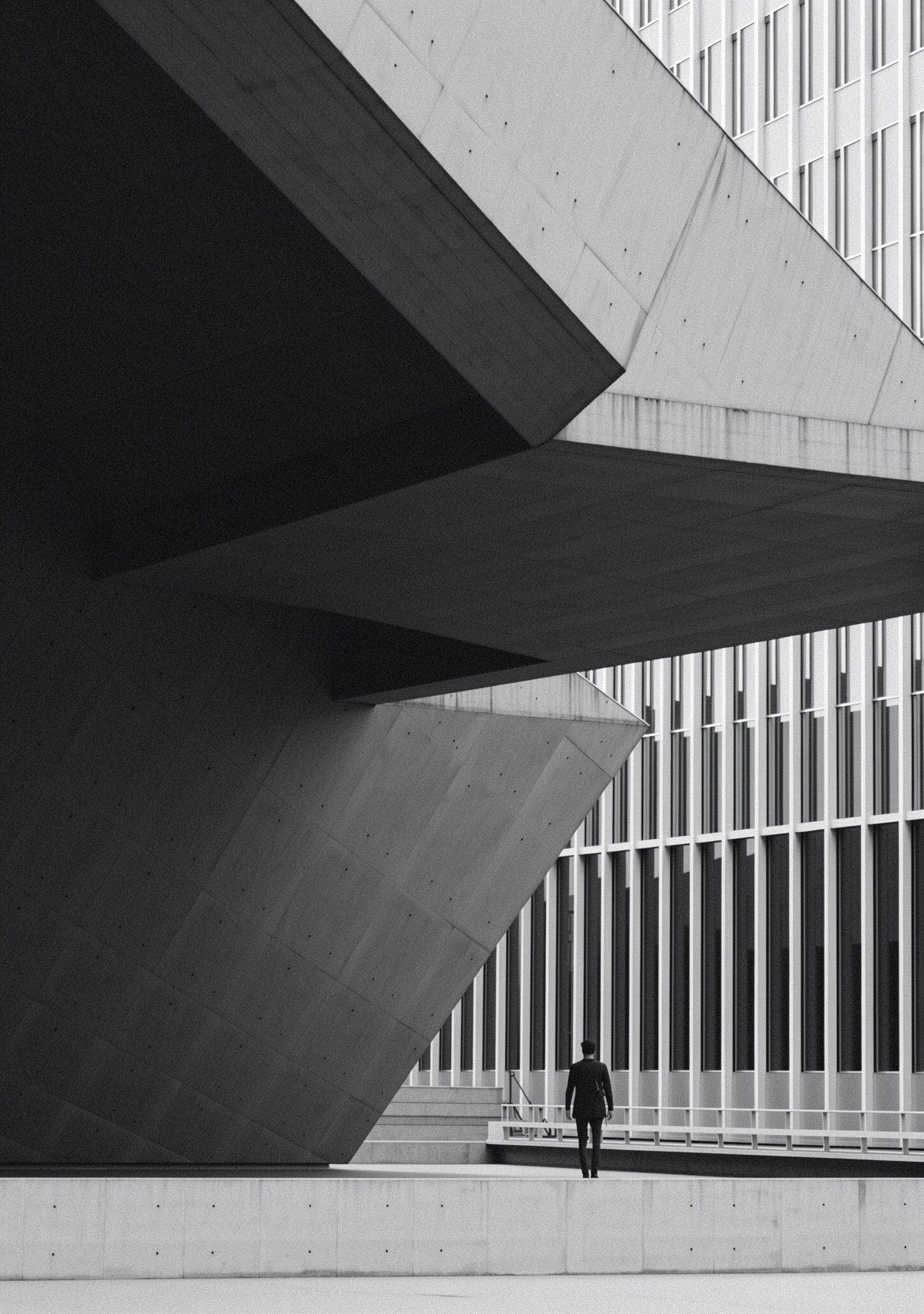
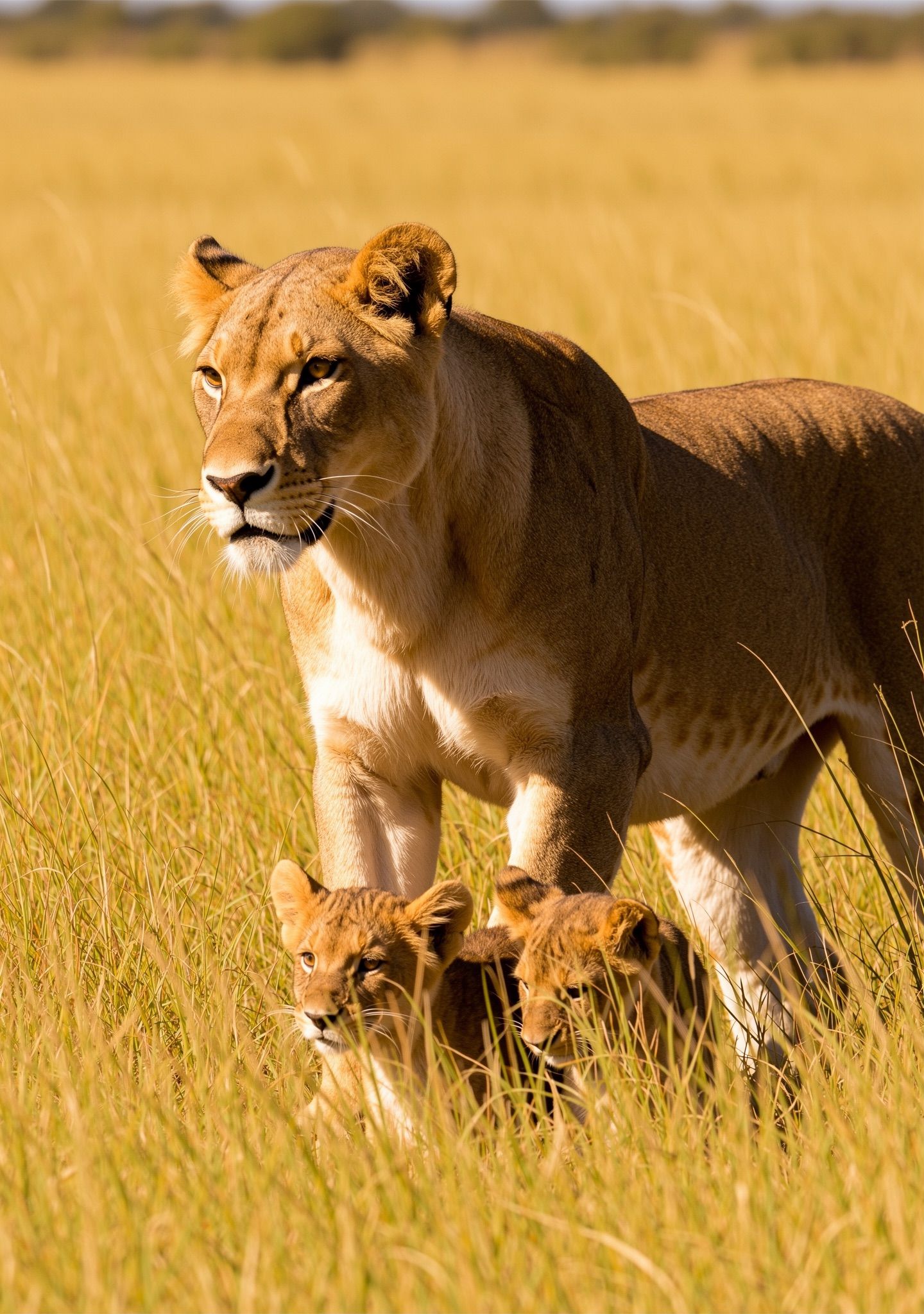
- Source: natural, artificial, ambient
- Quality: soft, harsh, diffused, direct
- Direction: side, back, overhead, fill
- Temperature: warm, cool, golden, blue
- Interaction: catches, filters, reflects on surfaces
- “soft, diffused natural light filtering through sheer curtains”
- “dramatic side lighting creating deep shadows and highlights”
- “golden hour backlighting with lens flare”
- “overcast light creating even, shadow-free illumination”
Word Order Matters
[klein] pays more attention to what comes first. Front-load your most important elements. Priority: Main subject → Key action → Style → Context → Secondary detailsStrong word order:“An elderly woman with silver hair carefully arranges wildflowers in a ceramic vase. Soft afternoon light streams through lace curtains, casting delicate shadows across her focused expression.”Subject and action lead.
Weak word order:“In a warm, nostalgic room with antique furniture, soft afternoon light streams through lace curtains. An elderly woman with silver hair is there arranging wildflowers.”Subject buried in description.
Prompt Length
| Length | Words | Best For |
|---|---|---|
| Short | 10-30 | Quick concepts, style exploration |
| Medium | 30-80 | Most production work |
| Long | 80-300+ | Complex editorial, detailed product shots |
Style and Mood Annotations
Adding explicit style and mood descriptors at the end of your prompt can enhance consistency: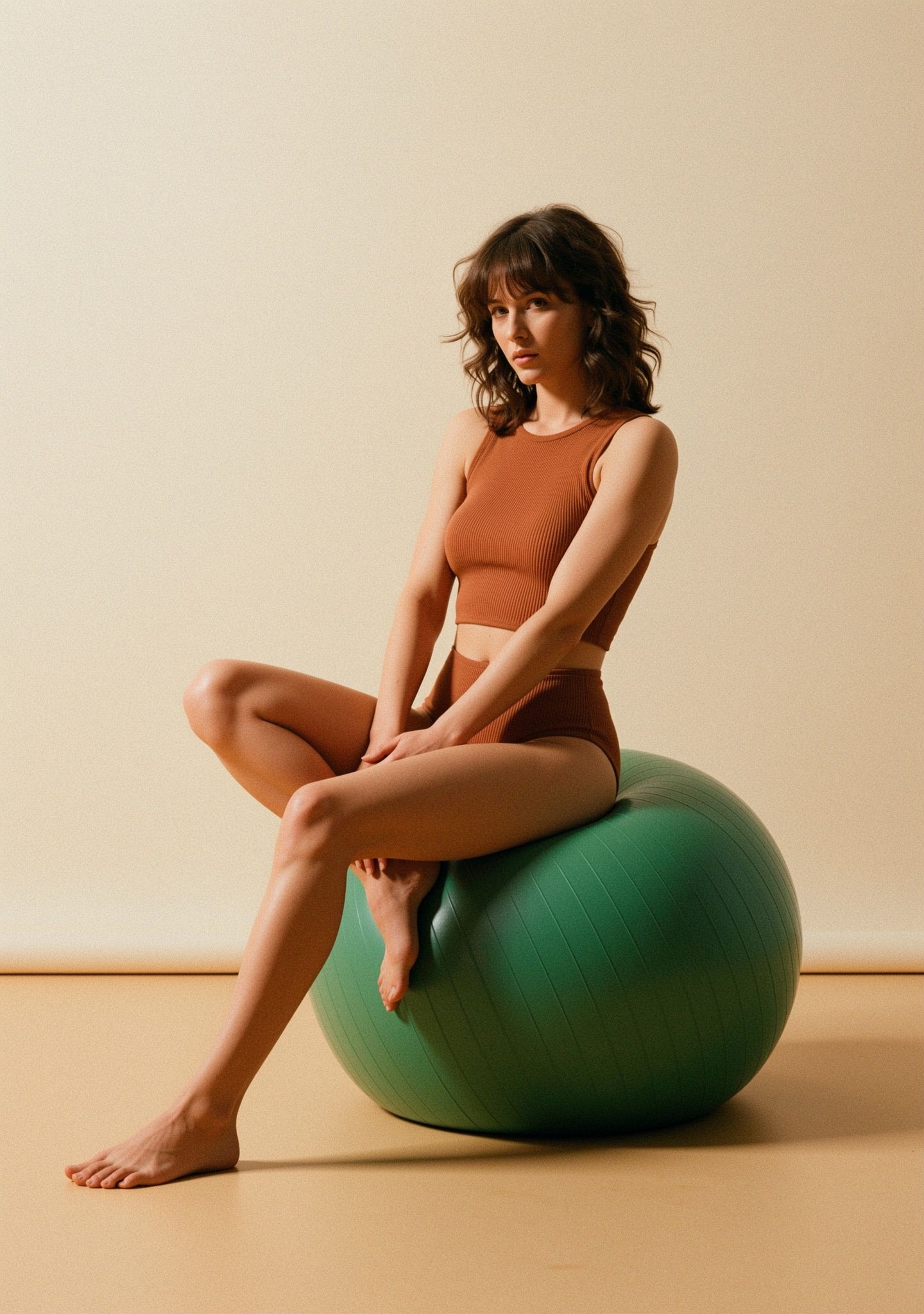
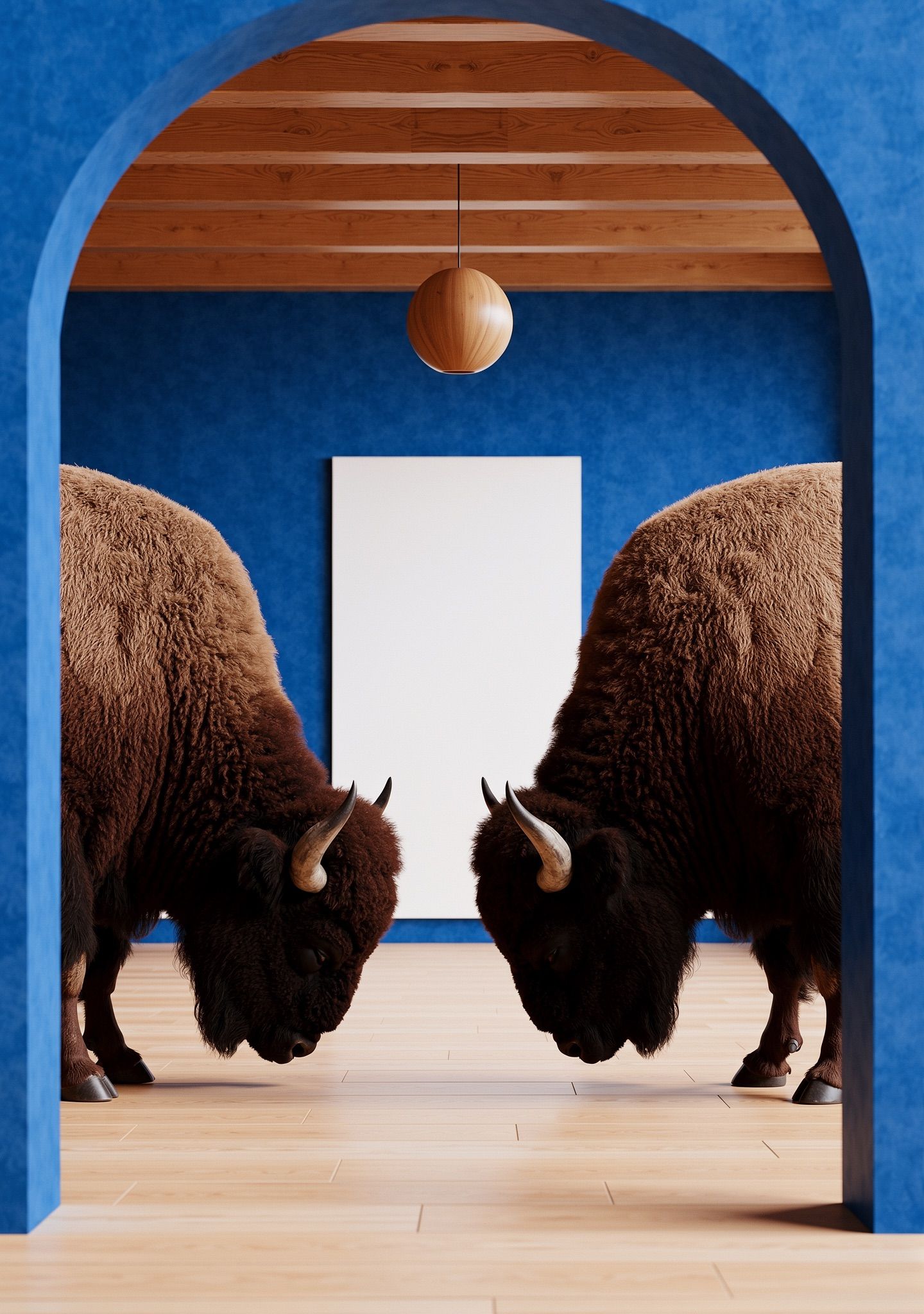
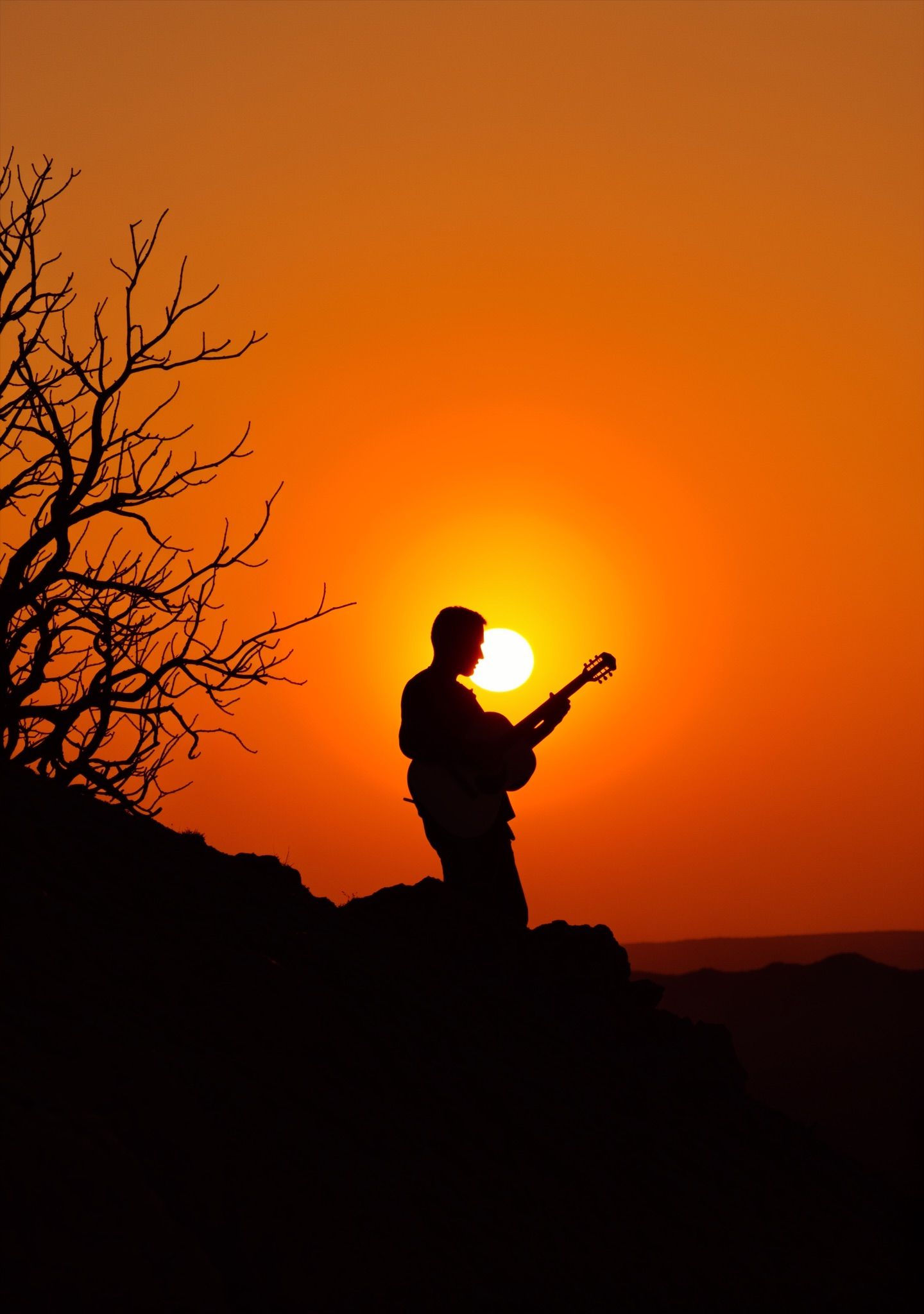
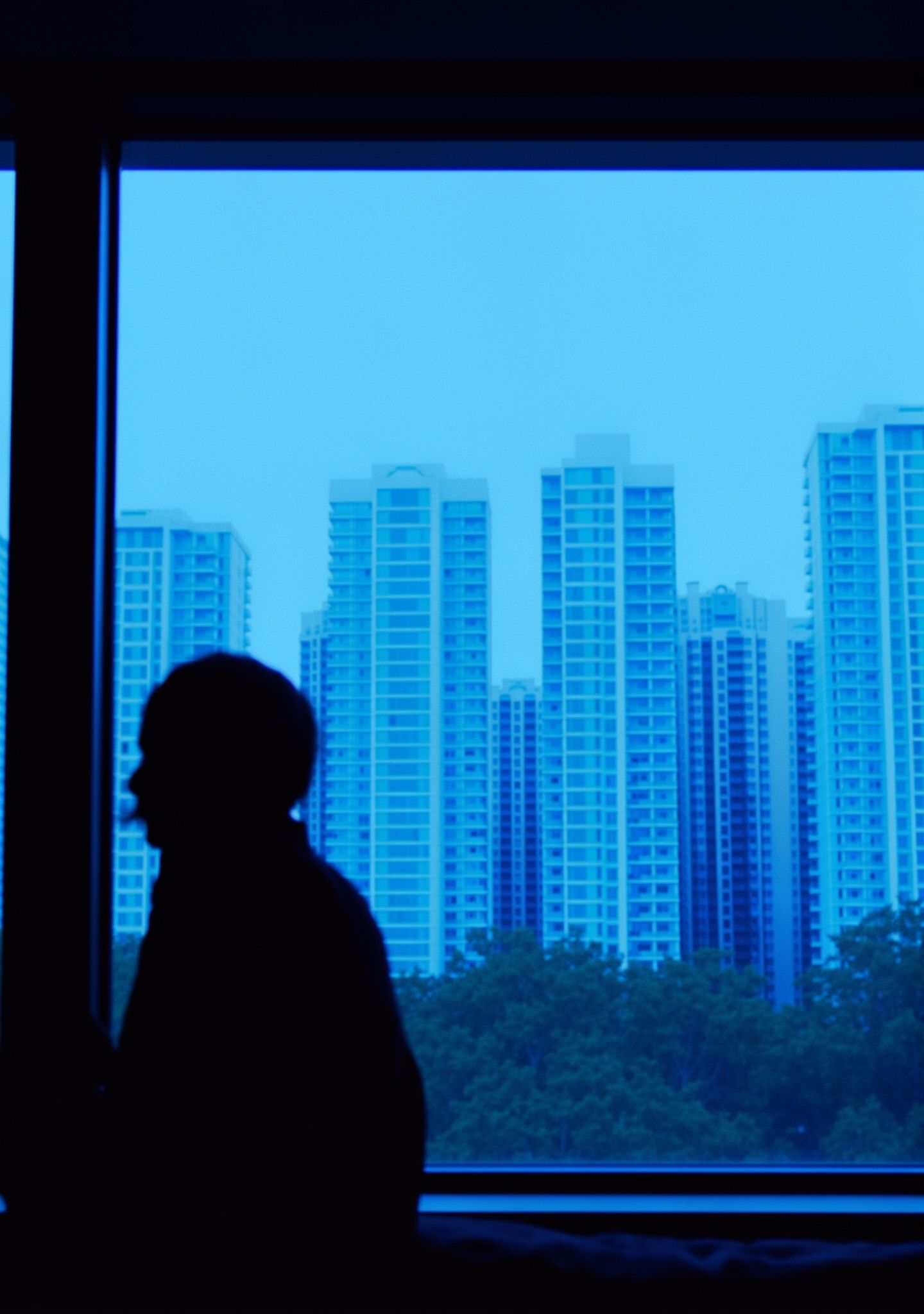
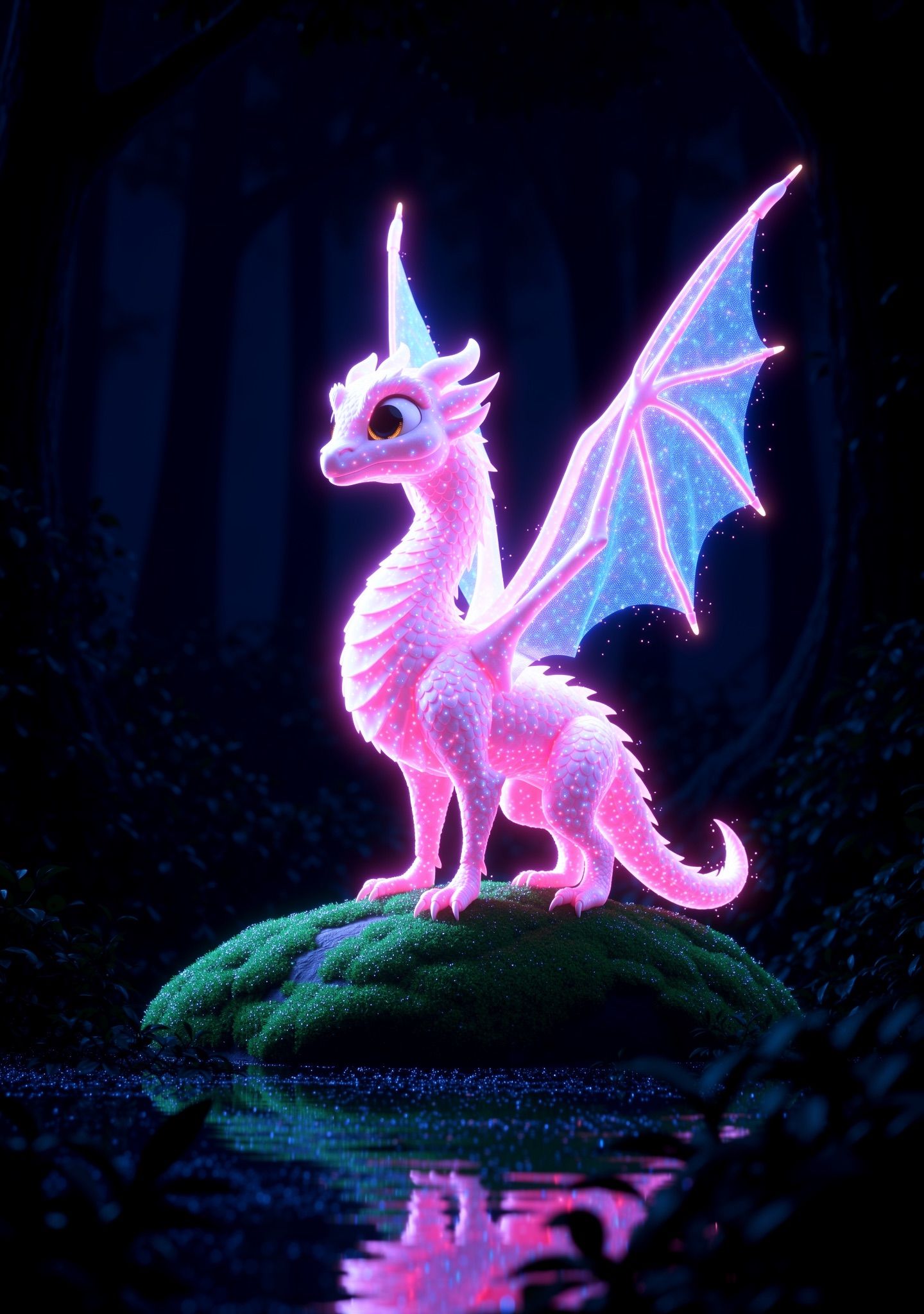
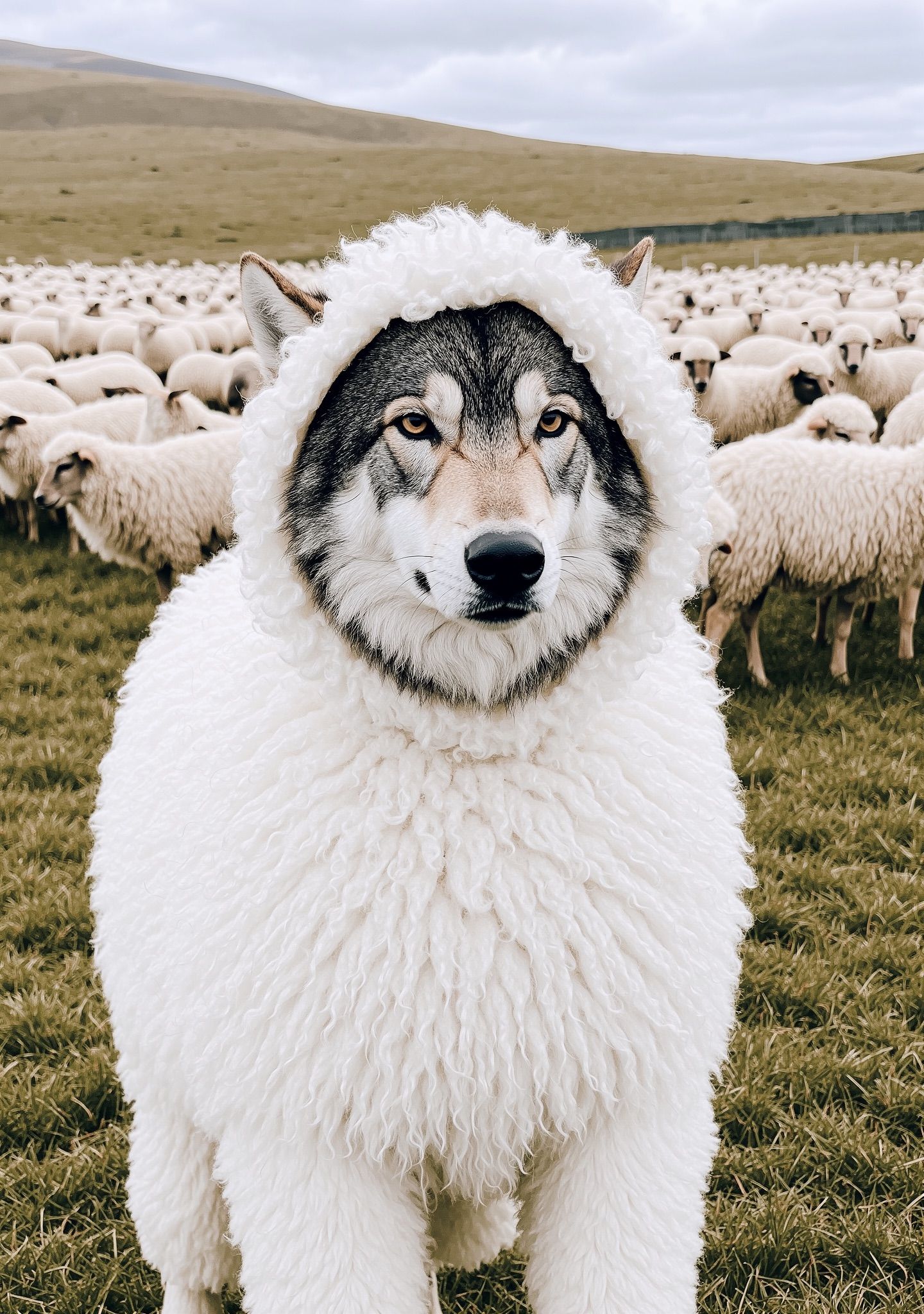
Image Editing
For image editing, prompts describe the transformation you want. Focus on what changes while letting the input image(s) provide the foundation.Key principle: Reference images carry visual details. Your prompt describes what should change or how elements should combine—not what they look like.
Single-Image Editing
| Edit Type | Prompt Pattern | Example |
|---|---|---|
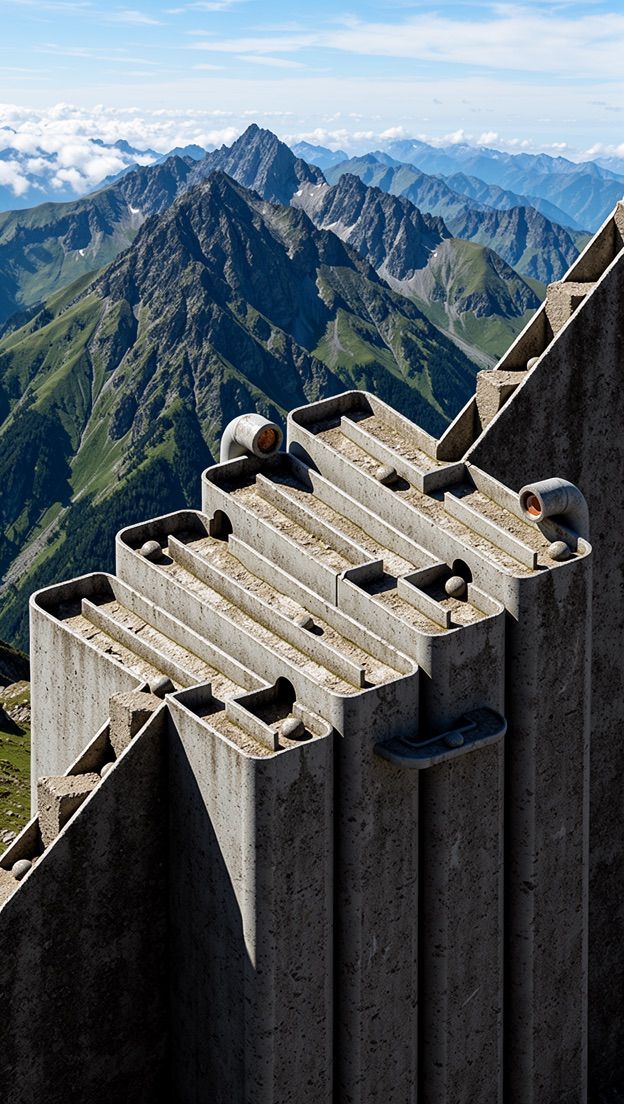
| Style transfer | ”Turn into [style]" | "Reskin this into a realistic mountain vista” |
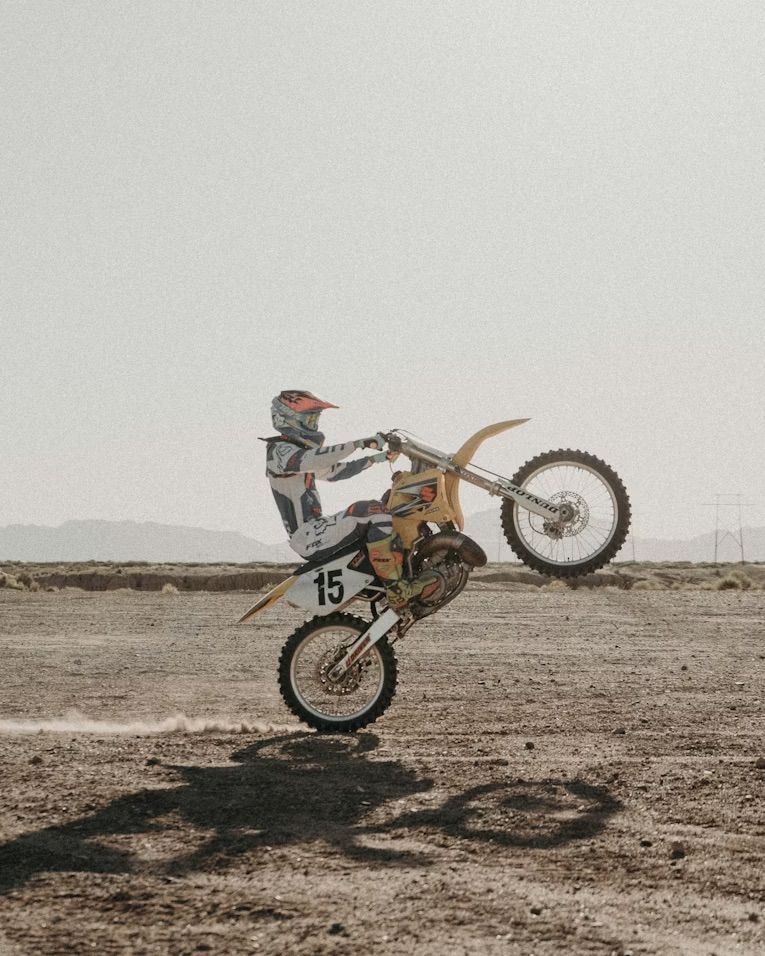
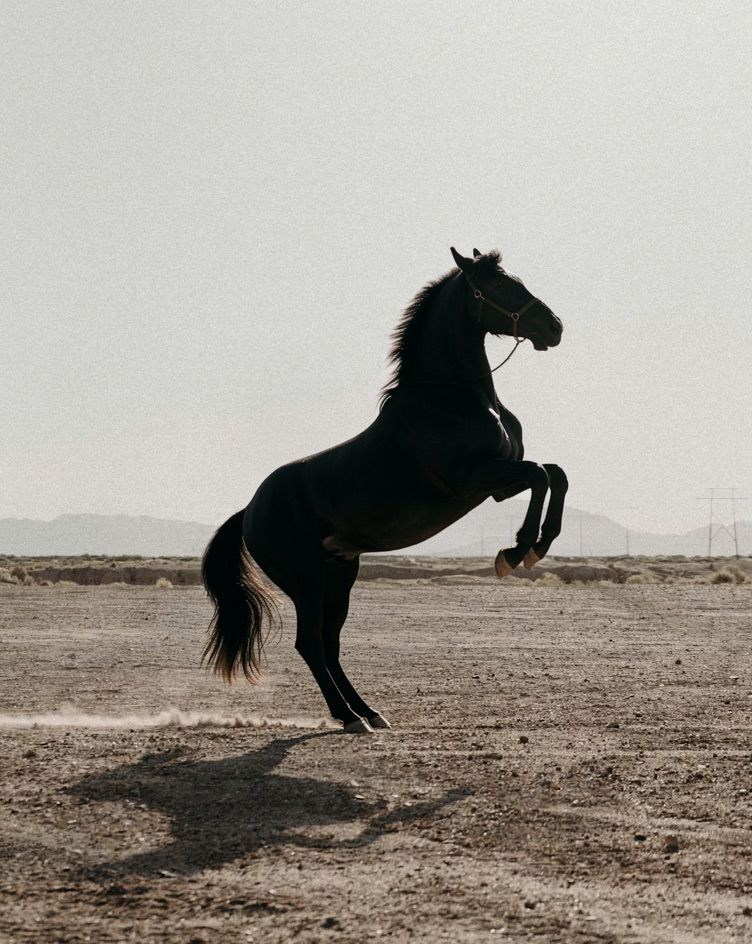
| Object swap | ”Replace [element] with [new element]" | "Replace the bike with a rearing black horse” |
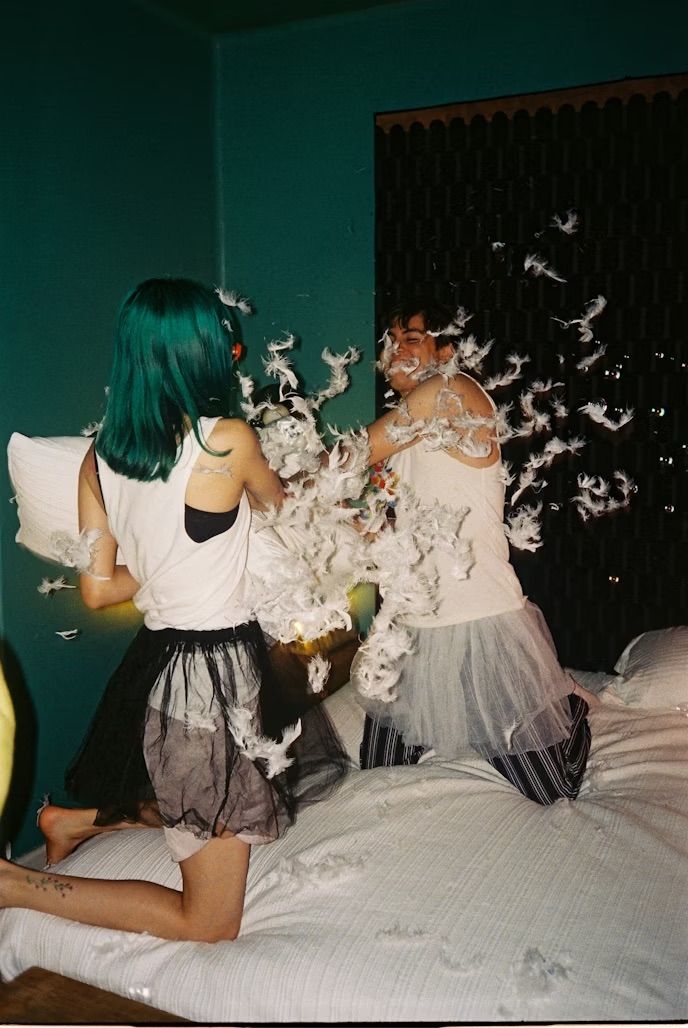
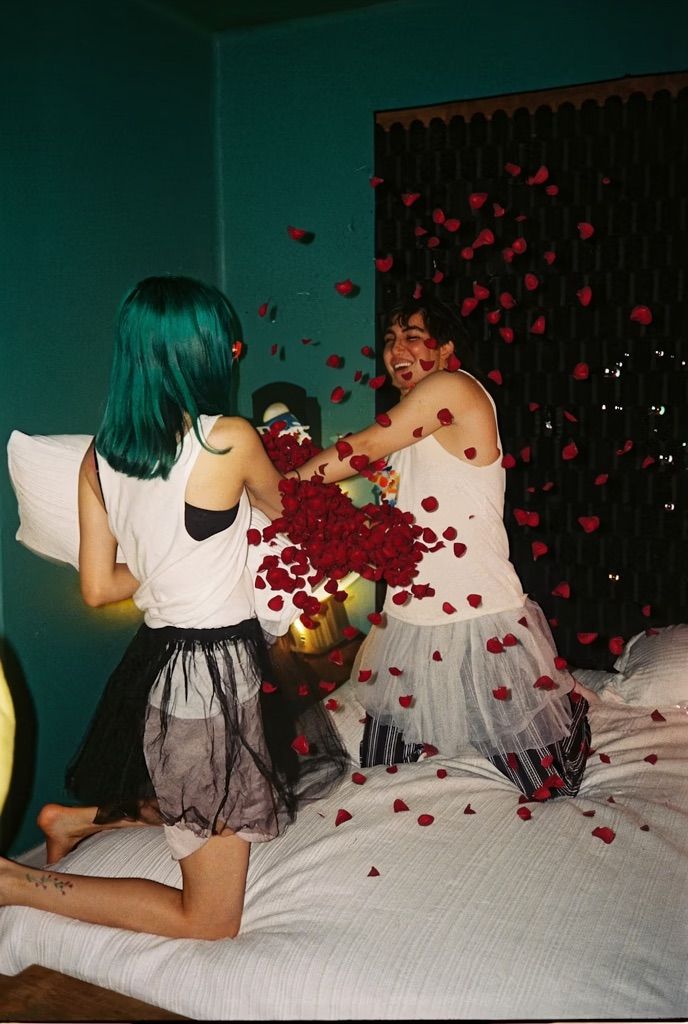
| Element replacement | ”Replace [element] with [new element]" | "Replace all the feathers with rose petals” |
| Add elements | ”Add [element] to [location]" | "Add small goblins climbing the right wall” |
| Environmental | ”Change [aspect] to [new state]" | "Change the season to winter” |

Multi-Reference Editing
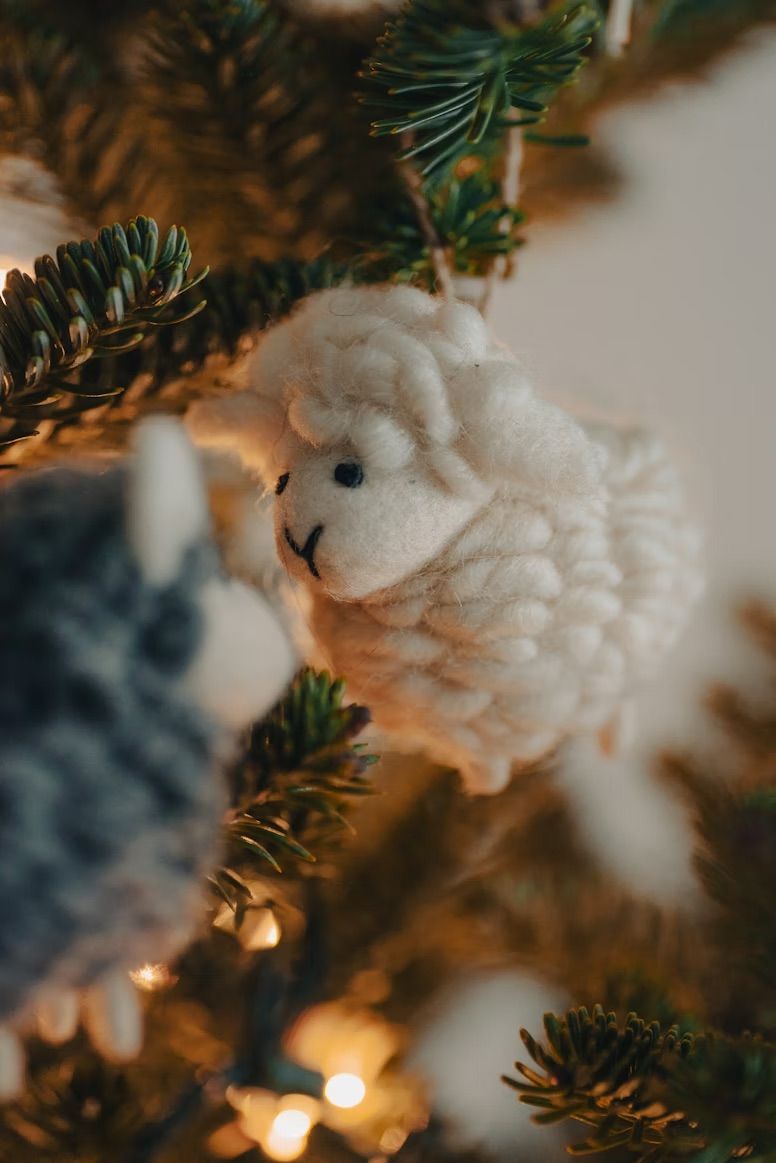
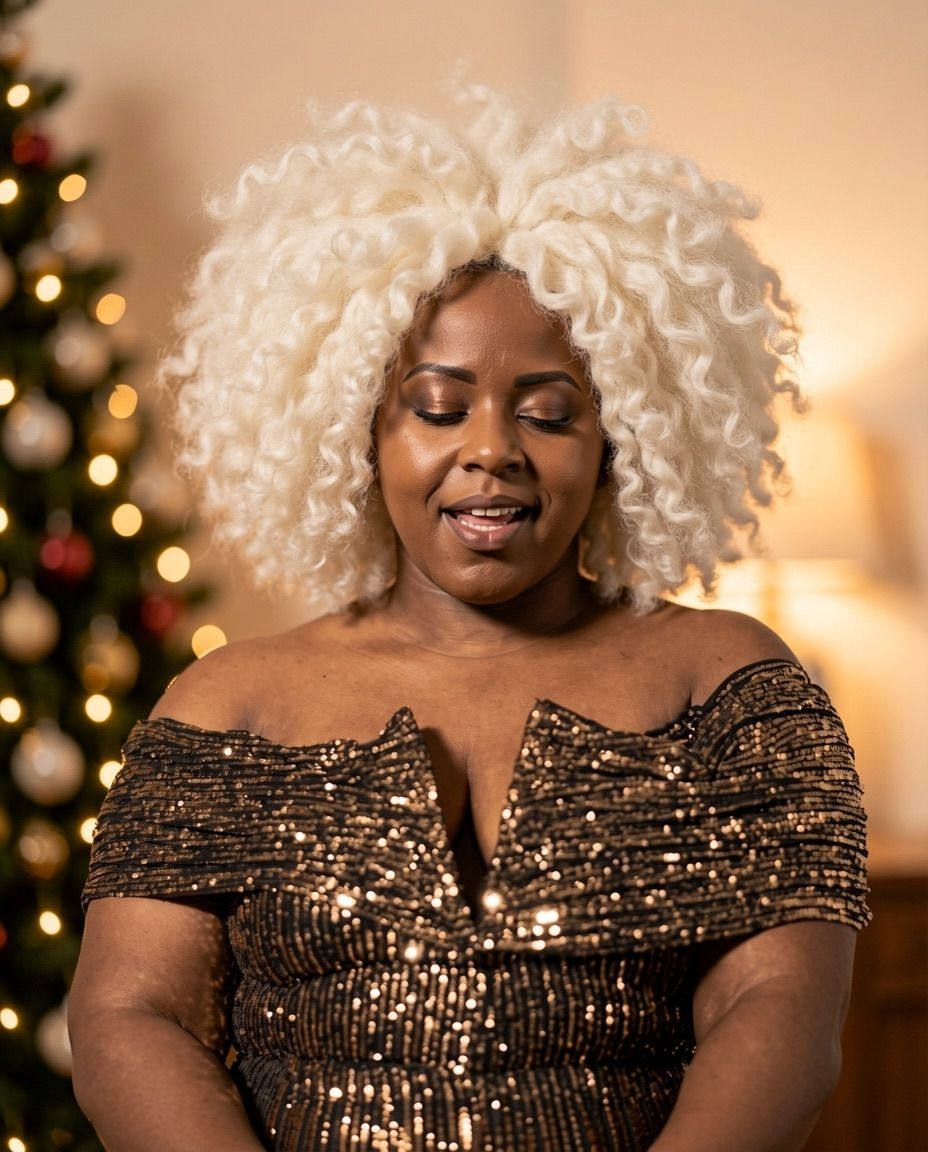
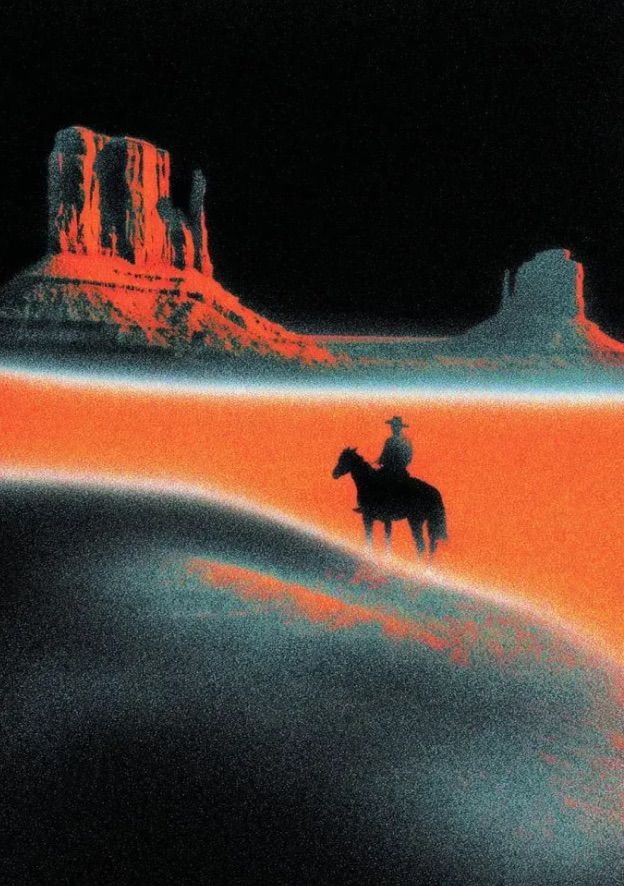
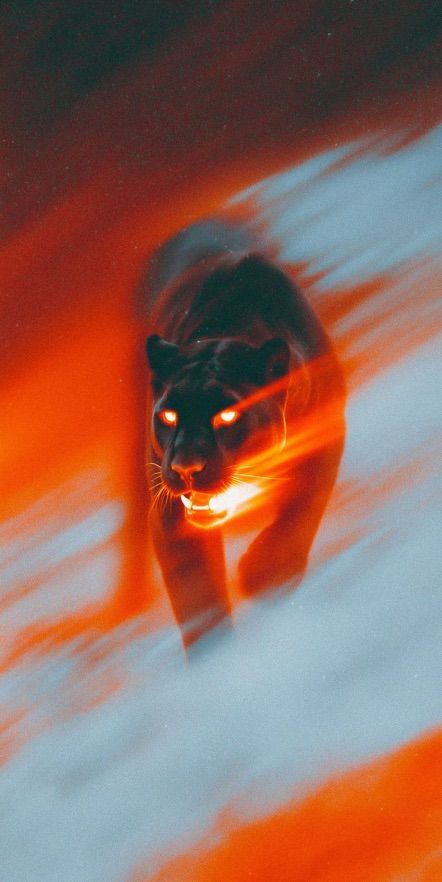
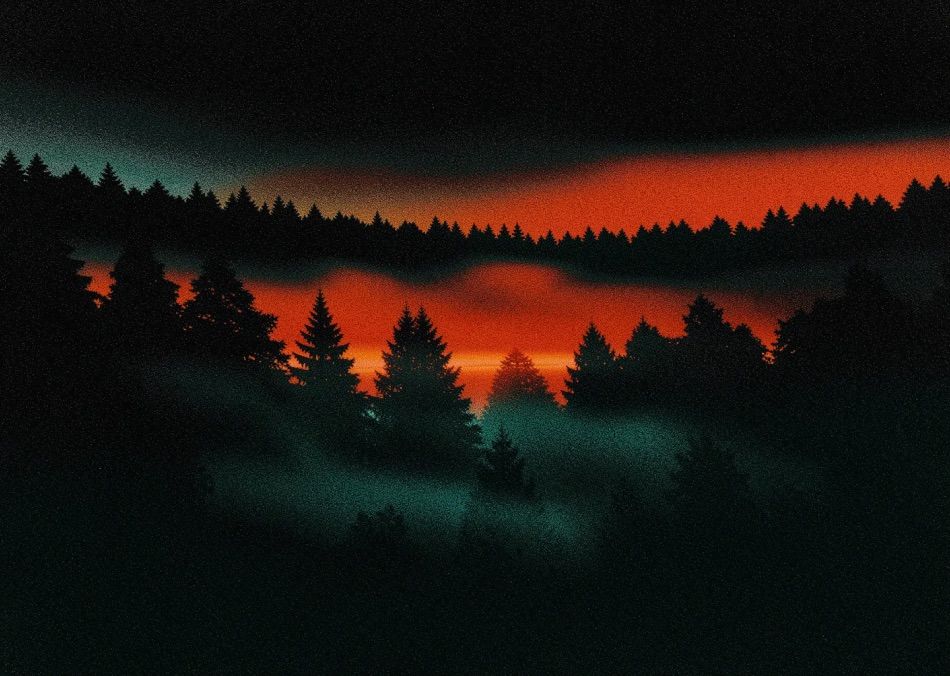
Combine multiple input images for style transfer and complex edits. When using multiple references, specify the role of each.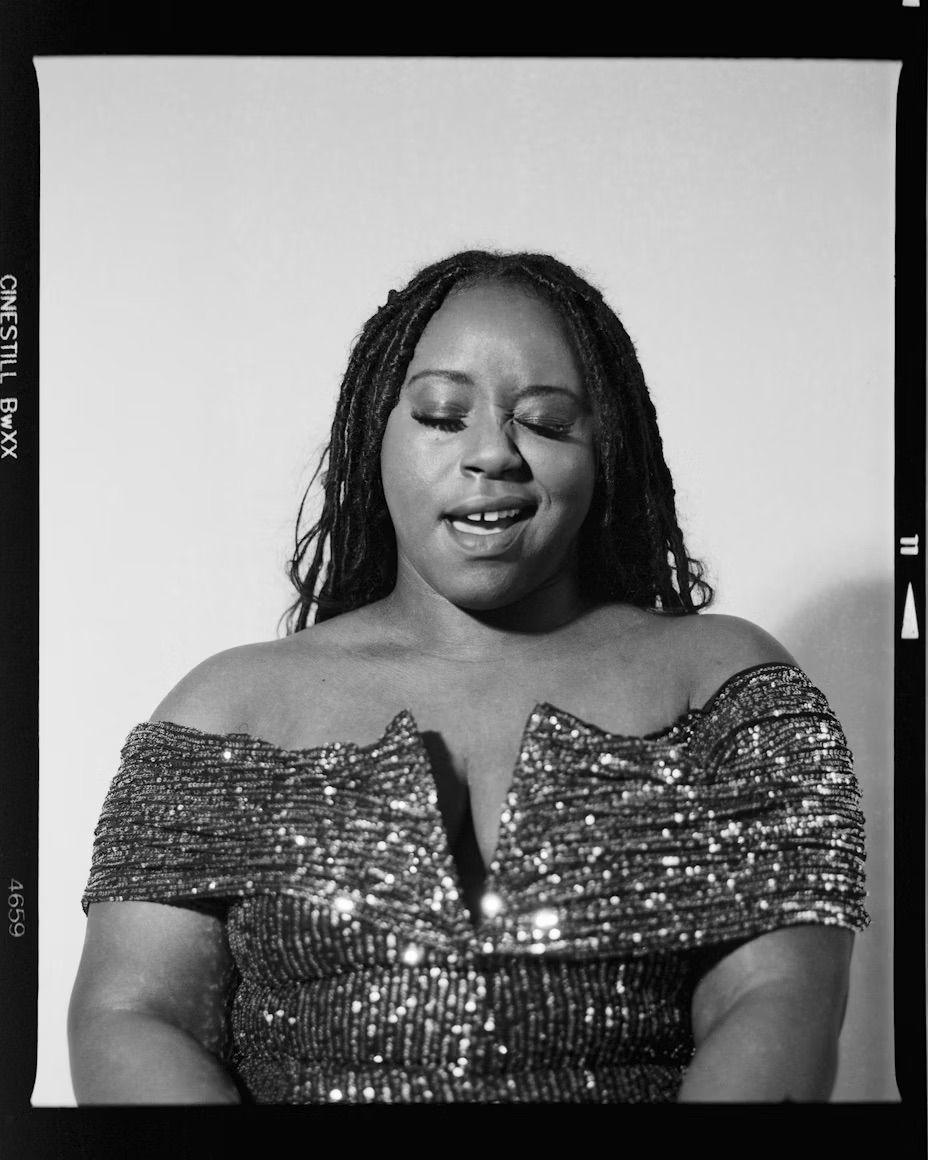
Writing Effective Prompts
Good prompts
- “Add dramatic storm clouds to the sky”
- “Change her dress from blue to deep burgundy”
- “Age this portrait by 30 years”
- “Change image 1 to match the style of image 2”
Avoid
- “Make it better”
- “Improve the lighting”
- “Make it more professional”
- “Fix the image”
Model Variants
| Variant | Speed | License | Best For |
|---|---|---|---|
| [klein] 4B | Sub-second | Apache 2.0 | High-volume workflows, local deployment (~13GB VRAM) |
| [klein] 9B | Sub-second | FLUX Non-Commercial | Production work, best prompt understanding |
| Base 4B/9B | Standard | Same as above | Fine-tuning, research (undistilled, higher diversity) |
Try [klein] via API — Get started in minutes with sub-second generation. No GPU required. View API docs →
API models (4B, 9B) are step-distilled for speed. Base variants preserve full training signal for customization.
Best Practices Summary
Write in Prose, Not Keywords
Write in Prose, Not Keywords
Describe scenes as flowing paragraphs. “A weathered leather journal lies open on an oak desk, morning light revealing handwritten entries in faded ink” works better than “journal, leather, oak desk, morning light, handwriting.”
Lead with Your Subject
Lead with Your Subject
Put the most important element first. Word order signals priority to the model.
Describe Light Explicitly
Describe Light Explicitly
Specify light source, quality, direction, and how it interacts with surfaces. Lighting descriptions have the highest impact on output quality.
Use Sensory Details
Use Sensory Details
Include textures, reflections, and atmospheric elements. “Flaky croissant layers catching soft diffused light” is more evocative than “croissant on table.”
Add Style/Mood Tags (Optional)
Add Style/Mood Tags (Optional)
Simplify Multi-Reference Prompts
Simplify Multi-Reference Prompts
When using reference images, describe relationships and context—let the images provide visual details.
Be Specific with Transformations
Be Specific with Transformations
For i2i editing, clearly state what should change and the target result. Avoid vague instructions.
Try [klein] via API
Sub-second generation from $0.014/image. No GPU required—start generating in minutes.
Download Weights
Run locally with open weights. 4B (Apache 2.0) or 9B (FLUX Non-Commercial).