

This guide covers hosted FLUX models, but most concepts apply to all FLUX models. After reading about those fundamentals, explore practical enhancement techniques.
What is prompting?
Prompting is how you tell the model what to render. Clear prompts make better images. Below: the same idea with a short prompt vs. a detailed one.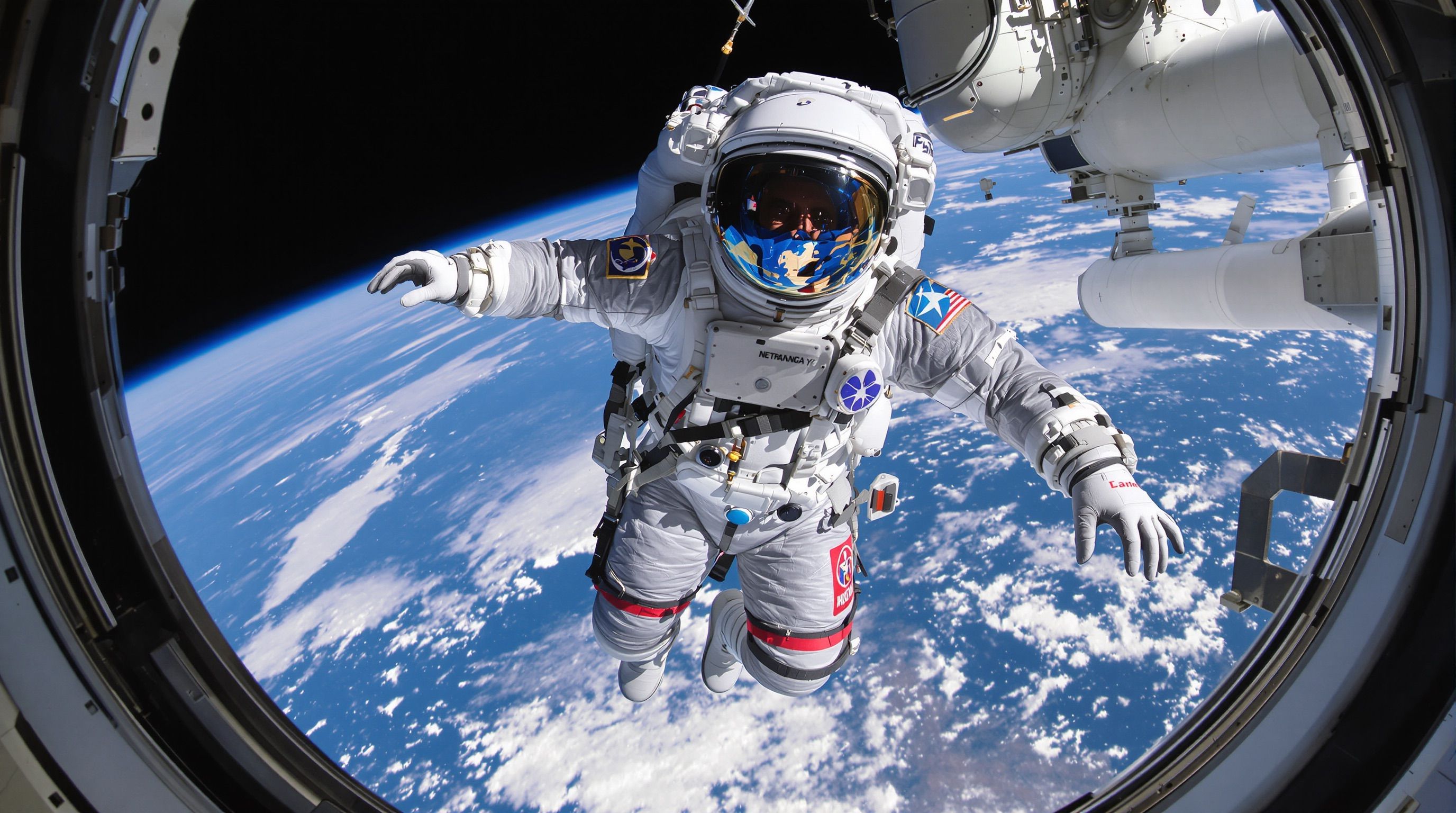

Basic Astronaut Prompt
Basic Astronaut Prompt
“An astronaut with a silver spacesuit and blue helmet visor, floating gracefully outside the International Space Station with Earth below”
Detailed Astronaut Prompt
Detailed Astronaut Prompt
“An astronaut with a silver spacesuit and blue helmet visor, floating outside the International Space Station with Earth’s blue curve visible below, cinematic photography with dramatic lighting, shot on IMAX camera, bathed in golden sunlight from the terminator line, with deep blue and white Earth tones, composed using rule of thirds, shallow depth of field, 85mm lens, film grain texture, conveying a sense of wonder and human achievement, peaceful and awe-inspiring”
Basic Prompt Structure
Use this framework for reliable results:Subject + Action + Style + ContextFramework Structure:
- Subject: The main focus (person, object, character)
- Action: What the subject is doing or their pose
- Style: Artistic approach, medium, or aesthetic
- Context: Setting, lighting, time, mood, or atmospheric conditions
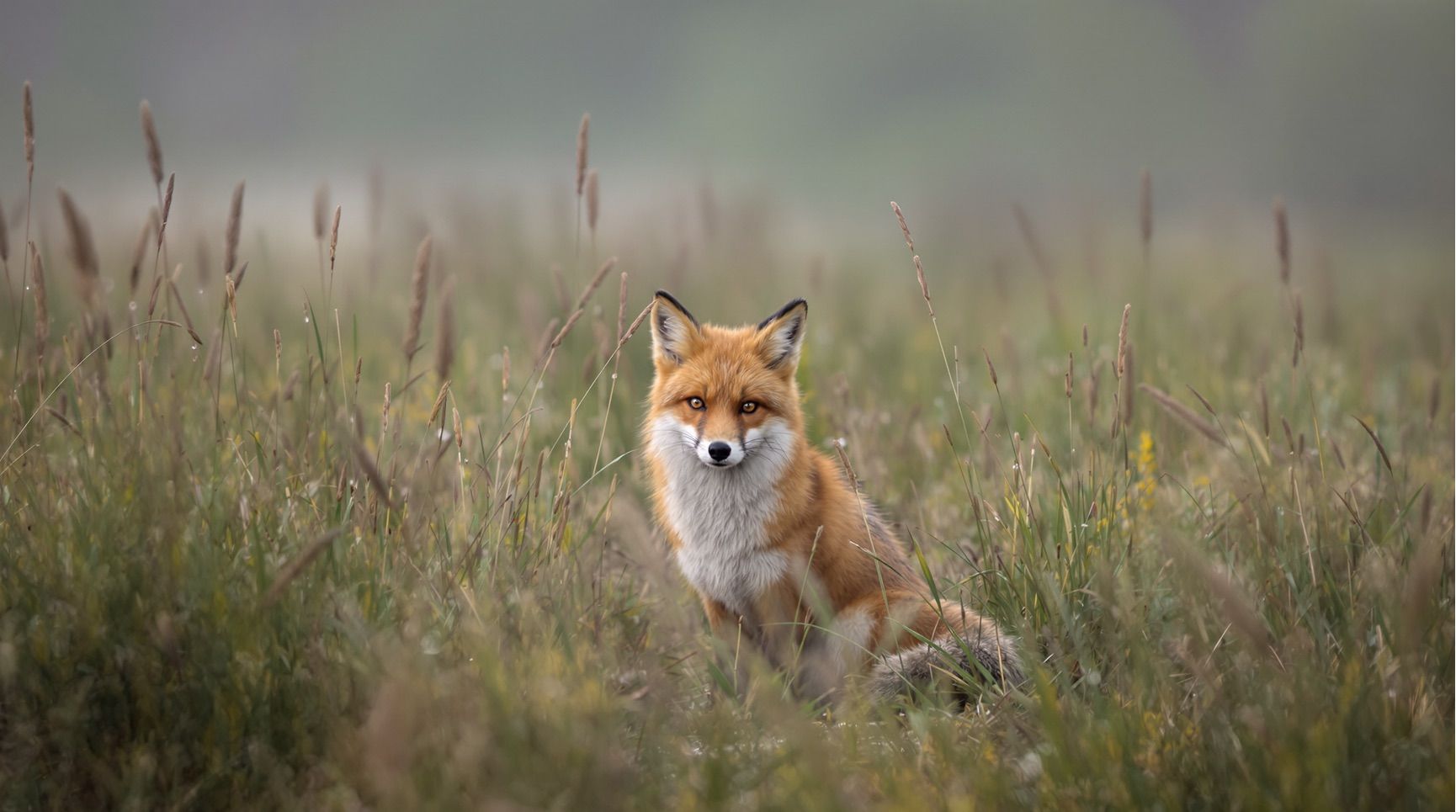
Red Fox Example
- Subject: Red fox
- Action: sitting in tall grass
- Style: wildlife documentary photography
- Context: misty dawn
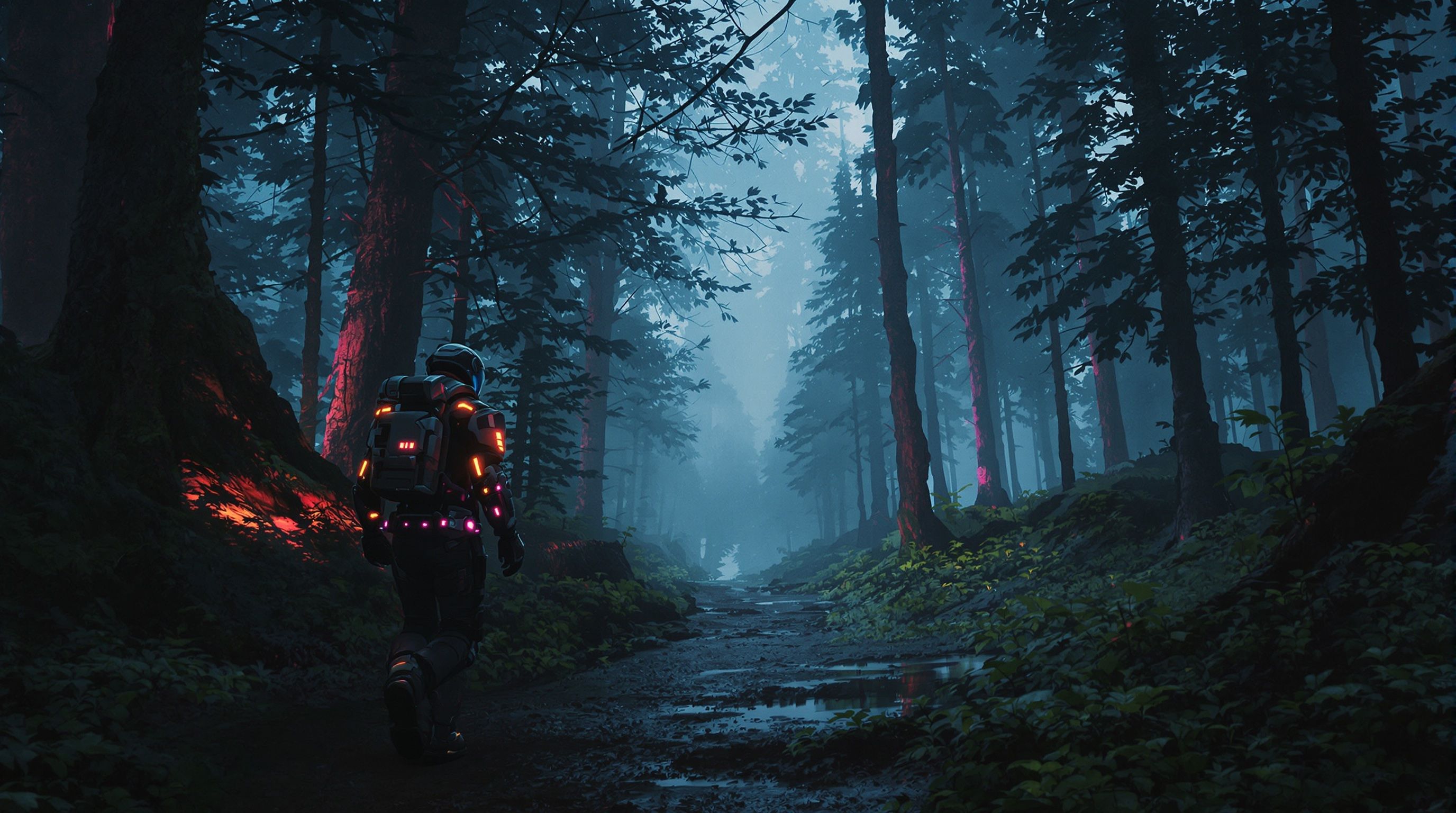
Human Explorer Example
- Subject: Human explorer
- Action: walking through cyberpunk forest
- Style: sci-fi fantasy art style
- Context: dramatic atmospheric lighting
Structured descriptions beat keyword lists
FLUX responds best to structured descriptions that mix natural relationships with direct specifications.- Disconnected keywords (weak): “Woman, red dress, beach, sunset, happy, smiling, waves, golden light”
- Overwritten prose (bloated): “A joyful woman … warm sunset light illuminating her smile”
- Structured (best): “A joyful woman in a flowing red dress walks along a sandy beach, golden hour, gentle waves, warm lighting”
- Natural language handles relationships and spatial cues
- Short, direct specs cover lighting, time, atmosphere
- Fewer filler words; clearer intent
Prompt length guidelines
Pick the length to match complexity:- Short (10–30 words): Simple ideas, fast iteration. Example: “Serene mountain lake at dawn, watercolor style”
- Medium (30–80 words): Most scenes. Enough control without bloat.
- Long (80+ words): Multi-subject or technical requirements. Use sparingly.
Word order importance
FLUX pays more attention to words and concepts mentioned earlier in your prompt. Structure your prompts strategically by front-loading the most important elements.- Lead with the subject: Put the main thing first.
- Then the action: Describe what it’s doing.
- Add style: Artistic approach or medium.
- Add context: Setting and lighting that shape everything.
- Finish with details: Secondary and atmospheric elements.
Poor word order
“In a mystical forest with ancient trees and glowing mushrooms, featuring dramatic lighting and a fantasy art style, there stands a powerful wizard casting a spell with magical energy swirling around him”Problems:
- Context details come first
- Main subject (wizard) is buried at the end
- Key action (casting spell) gets less attention
Front-loaded word order
“A powerful wizard casting a spell with magical energy swirling around him, fantasy art style with dramatic lighting, standing in a mystical forest with ancient trees and glowing mushrooms”Advantages:
- Wizard (main subject) is front and center
- Spell casting (key action) gets priority
- Style and environment support the main elements
Front-loading Examples
Character-focused scenesStart with character description and primary action, follow with style and environmental context.
Example: “A confident astronaut floating in zero gravity, reaching toward a distant star, cinematic sci-fi style, in the vastness of space with Earth visible below”Context-focused scenes
Start with the main setting or architectural element, follow with atmospheric details and style.
Example: “An ancient gothic cathedral with soaring arches and stained glass windows, dramatic chiaroscuro lighting, interior view with dust motes floating in colored light beams”
For use‑case patterns, see Enhancement Patterns.
Key takeaways
- Write naturally; avoid raw keyword dumps
- Use the core structure: Subject + Action + Style + Context
- Front‑load what matters to steer the image
- Right-size the length (30–80 words often hits the sweet spot)
- Iterate; adjust one variable at a time
Include mood, lighting, texture, and spatial detail when it actually changes the result.
Troubleshooting
Elements feel disconnected
Elements feel disconnected
Write how things relate instead of listing them separately.

"Cat, sunny day, park bench, reading" becomes "A tabby cat lounging on a sun-warmed park bench while a person reads nearby"Style isn't coming through
Style isn't coming through
Be specific about style elements and put them early in your prompt.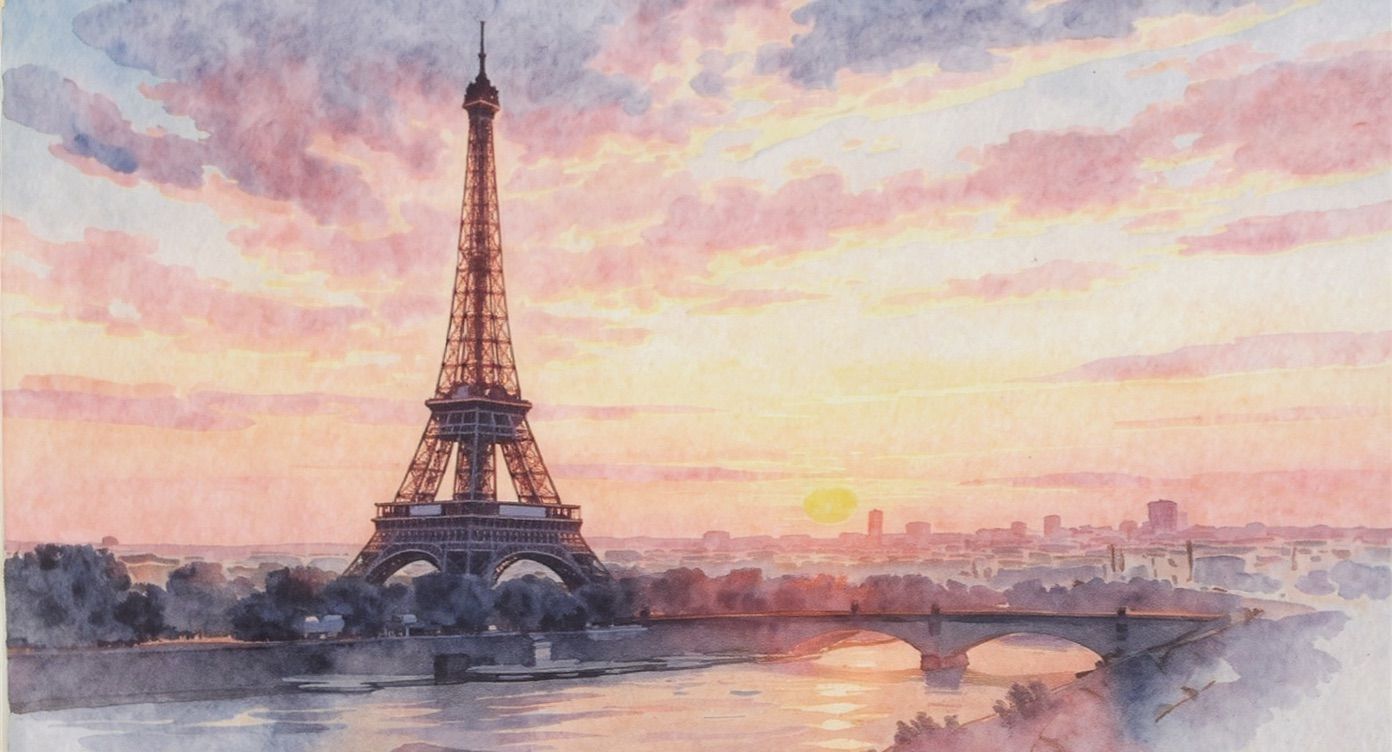
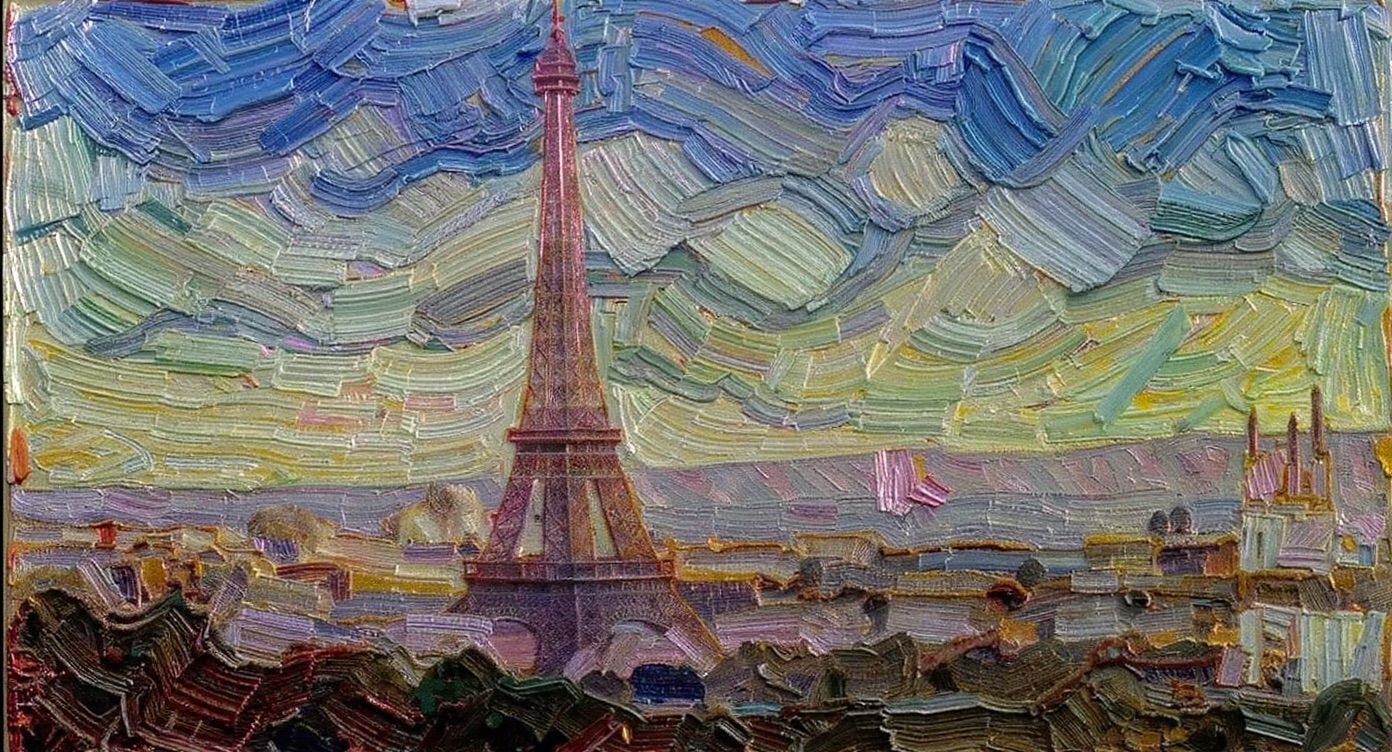
"Make it artistic" becomes "Oil painting with visible brushstrokes and rich impasto texture"Getting unwanted elements
Getting unwanted elements
Focus on describing what you want rather than what you don’t want.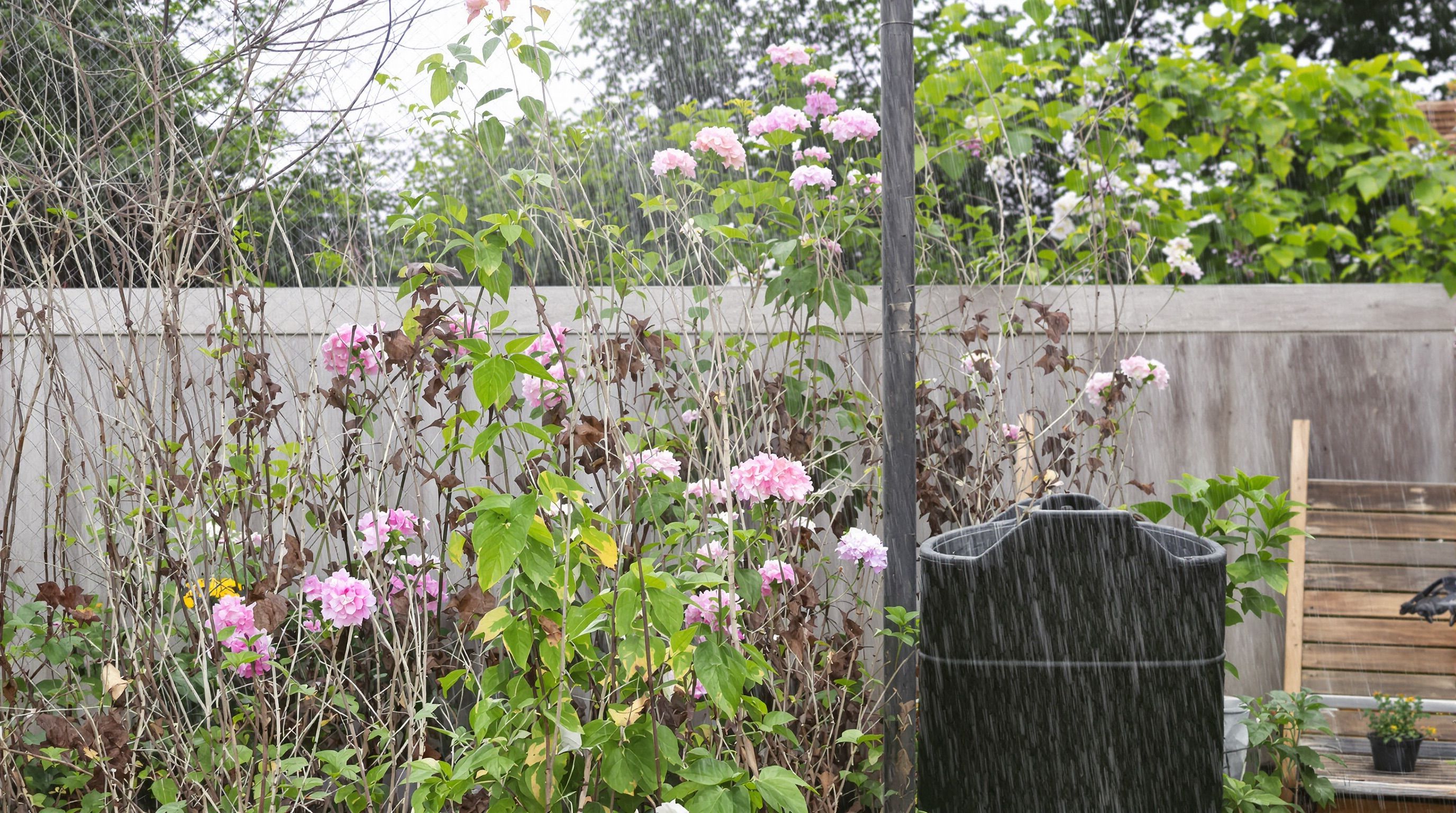
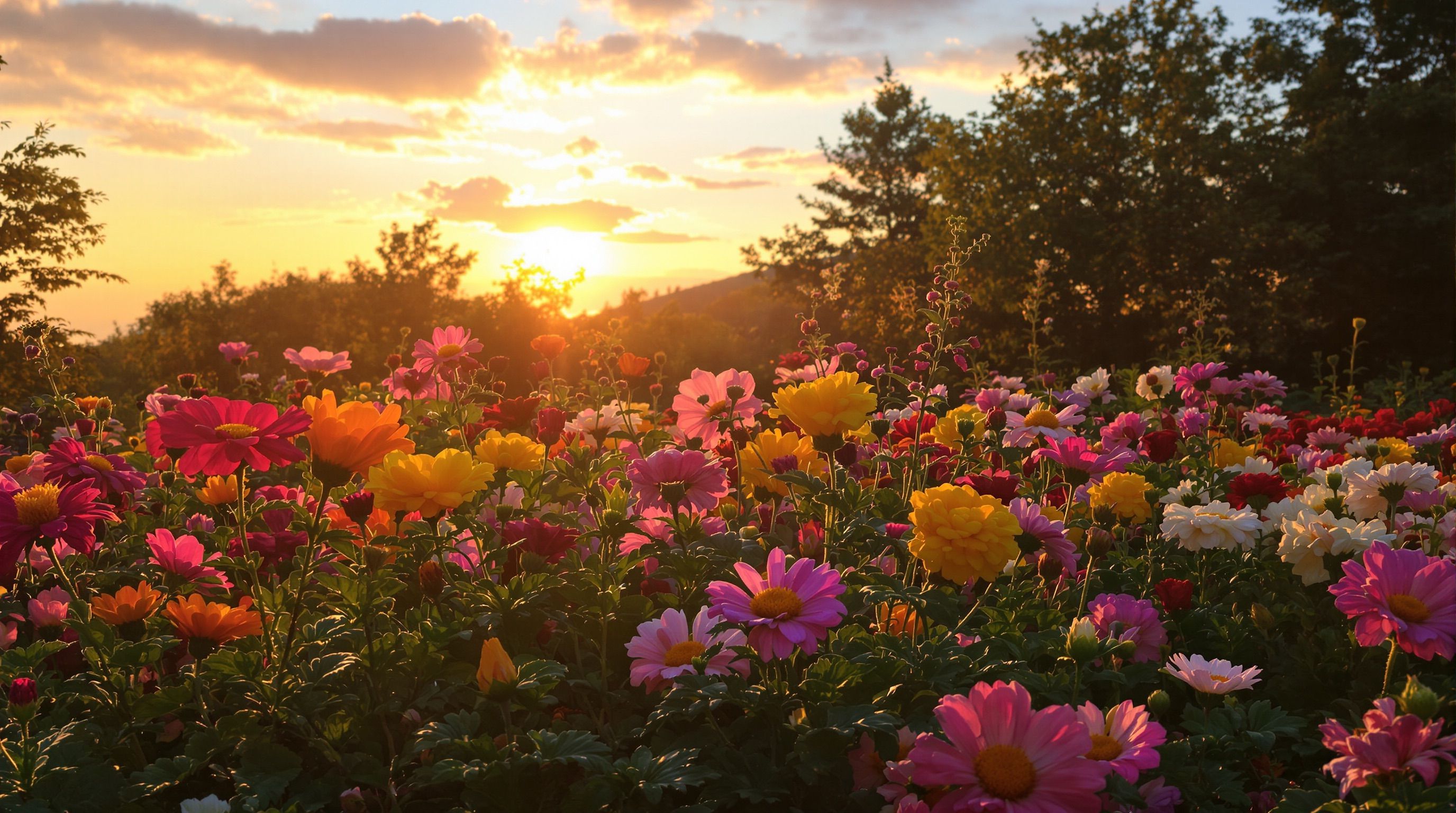
"A garden outside, no rain, no dead plants, not bad mood" becomes "A healthy garden outside with many different flowers, good mood, sunset gold light"Learn more: Working Without Negative Prompts